
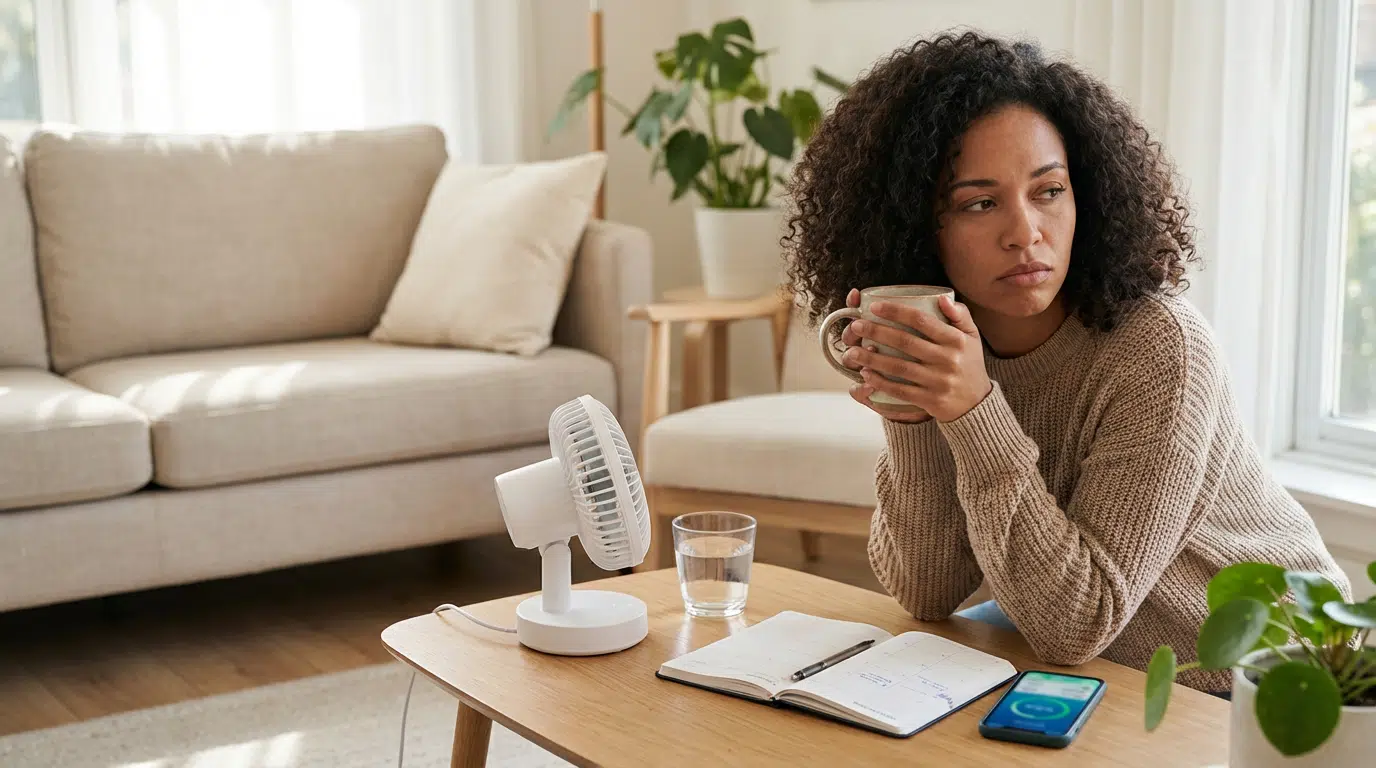
TL;DR: Perimenopause is the transition into menopause that often starts in your late 30s or early 40s. While perimenopause is a natural part of life, symptoms associated with perimenopause, like brain fog, anxiety, sleep loss, and fatigue, can disrupt your day. You do not have to suffer through severe symptoms alone. Hormone therapy and the right treatment options can help you regain your energy and quality of life.
Feeling "Off" is Not Your New Normal
Living in Brevard County offers a beautiful lifestyle. You want to have the energy for beach days, family events, and your career. But lately, you might feel like a different person.
Maybe you are snapping at your spouse for no reason. Perhaps you wake up at 3 a.m. every night and cannot fall back asleep. You might feel exhausted even after a full night of rest.
Many women in their late 30s and 40s brush these feelings aside. They think it is just stress or "part of getting older."
This phase is called perimenopause. Perimenopause is a transitional phase that leads up to menopause. While it is a biological process, suffering through troubling symptoms is not required. You do not have to wait until periods stop to feel like yourself again.
The Silent Symptoms of Hormone Imbalance
Most people know about hot flashes. But perimenopause symptoms involve much more than feeling warm. Your ovaries are gradually producing less estrogen, progesterone, and testosterone. This drop affects your entire body.
Mental and Emotional Changes
Hormones act as chemical messengers in the brain. When hormone levels shift, your mood follows.
- Brain Fog: You might experience forgetfulness during the menopause transition or feel like you cannot focus.
- Anxiety: You feel nervous or on edge without a clear trigger.
- Mood Swings: Small annoyances suddenly feel overwhelming. Mood symptoms are very common.
- Depression: You lose interest in things you used to enjoy.
Physical Changes
Your body reacts to lower estrogen levels in physical ways.
- Vasomotor Symptoms: This is the medical term for hot flashes and night sweats.
- Sleep Problems: You have trouble falling asleep or staying asleep.
- Weight Gain: You notice new belly fat that won’t go away.
- Vaginal Dryness: You may experience vaginal discomfort or pain during intimacy.
- Low Libido: Your desire for intimacy decreases significantly.
Changes to Your Cycle
Perimenopause can affect your menstrual flow. Your periods might become longer or shorter. They might be heavier or lighter than usual. Irregular bleeding is a hallmark symptom of starting perimenopause.
When to Seek Medical Help
Many women wait too long to see a doctor. They assume their symptoms aren't "bad enough" yet. Or they assume these are just symptoms of menopause that they have to live with.
You should schedule an appointment with a healthcare provider if:
- Your quality of life has dropped. If you are too tired for hobbies or too irritable for family time, it is time to get checked.
- Your periods are heavy. Soaking through protection in an hour is not normal. This can lead to anemia and requires medical attention.
- You have specific symptoms. Issues like vaginal dryness or severe mood swings are treatable.
- Home remedies aren't working. If supplements and diet changes haven't helped relieve symptoms, you likely need a medical approach.
The Problem with Standard Lab Ranges
You may have already visited a doctor who told you your labs were "normal." This is a common frustration for women in perimenopause.
Doctors often test follicle-stimulating hormone (FSH) to diagnose perimenopause. But because hormone levels fluctuate daily, a single test might look normal even if you’re in perimenopause.
Standard "normal" ranges are very wide based on population averages. They do not reflect what is optimal for you. At AZ Health Solutions, we focus on your reported symptoms and how you feel, not just the numbers on a page.
How Hormone Optimization Can Help
You don't have to suffer through the roller coaster of perimenopause. Modern treatment options are safe and effective.
Bioidentical Hormone Replacement Therapy (BHRT)
We use bioidentical hormones. These are structurally identical to the hormones your body produces naturally. This makes them easier for your body to use than synthetic alternatives often found in birth control pills.
The EvexiPEL Method
We are a certified provider of EvexiPEL. This method uses pellets derived from natural plant sources.
- Consistent Dosing: Pellets release hormones steadily. You avoid the ups and downs of creams or pills.
- Convenience: You only need a quick insertion procedure a few times a year.
- Fewer Side Effects: The steady release mimics your body's natural rhythm.
A Personalized Approach
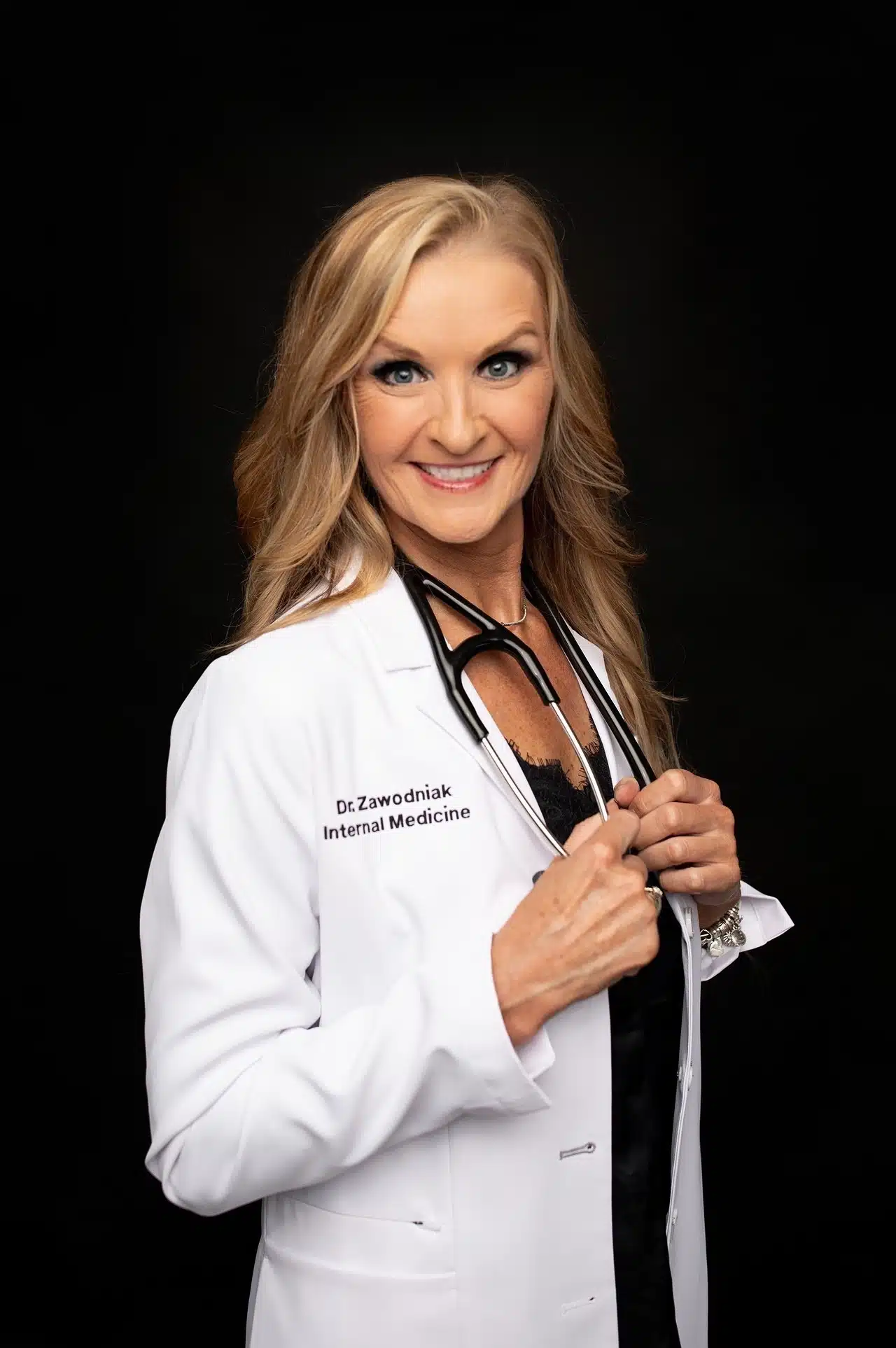
Every woman is different. Dr. Ashley Zawodniak takes the time to listen to your full story. As a Direct Primary Care practice, we don't rush you out the door. We look at your thyroid, adrenal health, and mental health conditions alongside your sex hormones. We discuss all symptoms with your healthcare provider to create a plan just for you.
Real Relief is Possible
Women in Merritt Island and across Brevard County are finding relief through hormone therapy.
Patients often report that their "brain fog lifted" within weeks of treatment. Others finally sleep through the night for the first time in years. Restoring hormone balance can bring back your energy, improve your mood, and restore your libido.
You are the hero of your own women's health journey. But you need a guide who understands the terrain. We are here to help you navigate this transition into menopause with confidence.
Quick Answers
What is the average age for perimenopause to start?
Most women notice early signs between ages 35 and 45. Perimenopause is the time when your ovaries gradually produce less estrogen. It can begin up to 10 years before menopause actually occurs.
What are the first signs of perimenopause?
Irregular periods are a common sign of perimenopause. However, many women first notice increased anxiety, sleep trouble, or sudden fatigue before their menstrual cycle changes.
Can I still get pregnant during perimenopause?
Yes. You can still get pregnant because you are still ovulating, even if your periods are irregular. It is important to use birth control if you do not wish to get pregnant during perimenopause.
Does perimenopause cause weight gain?
Yes. As hormone levels fluctuate, your metabolism can slow down. This often leads to weight gain around the midsection. You might find it harder to prevent weight gain or lose weight with diet and exercise alone.
Summary
Perimenopause is the transitional phase that affects your brain, body, and mood. Symptoms like anxiety, fatigue, and weight gain often start years before your periods stop. Perimenopause may feel overwhelming, but "normal" lab results don't always mean optimal health. Bioidentical hormone therapy can restore balance and give you your life back.
Ready to Feel Like Yourself Again?
Don't let perimenopause symptoms steal your vitality. Dr. Zawodniak is ready to help you find the root cause of your symptoms and discuss a perimenopause diagnosis.
Schedule Your Consultation at AZ Health Solutions
We are located in Merritt Island, FL, and serve patients throughout Brevard County.
Key Takeaways
- Perimenopause can start as early as age 35.
- Physical and emotional symptoms often include anxiety, sleep loss, and brain fog.
- Irregular periods are the most common early sign.
- Symptoms that may seem unrelated could be due to hormonal shifts.
- You do not have to wait for menopause to seek treatment.
- Bioidentical hormones (BHRT) match your body's natural structure.
- Talk to your doctor about perimenopause symptoms early.
- Direct Primary Care offers the time and attention you need.


0 Comments