

It’s mid-December 2025, and Sarah from Melbourne realizes she has $800 left in her healthcare deductible and several preventive care screenings she’s been putting off all year. Meanwhile, her neighbor in Merritt Island is scrambling to use up his flexible spending account before it expires on December 31st. Sound familiar? You’re not alone—many Brevard County residents find themselves in a similar position as the year comes to an end.
The end of the year presents unique opportunities for strategic health planning. From maximizing remaining healthcare benefits to setting yourself up for wellness success in 2026, December is the perfect time to take charge of your health journey. At AZ Health Solutions, we help our patients navigate these year-end decisions with personalized care and accessible medical support that puts you first.
In this comprehensive year-end health checklist, we’ll explore how to make the most of your healthcare opportunities before 2025 ends, prepare for a healthier 2026, and discover whether a different approach to primary care—like Direct Primary Care—might be the fresh start you’re looking for in the coming year.
Why Year-End Health Planning Matters for Brevard County Residents
December isn’t just about holiday celebrations and New Year’s resolutions—it’s a critical window for maximizing your healthcare investments and positioning yourself for optimal wellness in the upcoming year.
The Financial Benefits You Might Be Missing
Many Brevard County residents don’t realize they’re leaving money on the table by not strategically planning their year-end health decisions. If you’ve already met your deductible for 2025, you have a limited window where additional covered medical services cost significantly less. This is the ideal time to address potential health issues you’ve been postponing, schedule important preventive screenings, or begin treatments that might carry higher out-of-pocket costs in January 2026 when your deductible resets.
Beyond deductibles, many employer-sponsored health plans include “use it or lose it” benefit provisions that expire on December 31st. These might include wellness credits, flexible spending account (FSA) balances, or allocated preventive care visits that won’t roll over to the new plan year. Understanding your group health plan details now is essential for maximizing these benefits.
For those with health savings accounts (HSAs) or FSAs, now is the time to review your current balances and contribution limits. While HSAs roll over year to year, FSAs typically have strict use-it-or-lose-it rules. Making strategic healthcare spending decisions before the end of year ensures you capture the full value of these tax-advantaged accounts.
Setting Yourself Up for 2026 Success
Year-end health planning isn’t just about using current benefits—it’s about creating momentum for the year ahead. Scheduling your annual physical or annual wellness visit in late December or early January 2026 establishes a baseline for your health metrics and identifies any concerns early when they’re most treatable. For Brevard County residents considering hormone optimization or exploring preventive medicine approaches, starting this conversation now means you’ll have a clear health plan in place as the new year begins.
A comprehensive end-of-the-year health checklist helps you stay on top of important medical appointments, screenings, and preventive care needs. This proactive planning approach helps you prioritize your health rather than letting it fall to the bottom of your to-do list during busy times.
Common Year-End Healthcare Mistakes
The biggest mistake? Waiting until the last week of December to schedule appointments. Medical offices throughout Merritt Island and the greater Brevard County area experience a significant surge in appointment requests during the final weeks of the year, making it difficult to secure timely visits. Many patients also fail to verify what benefits they actually have remaining in their health plan, leading to surprise bills or missed opportunities.
Another common oversight is focusing solely on immediate medical needs while neglecting preventive care and wellness planning. While addressing acute concerns is important, the end of year is equally valuable for establishing a proactive health strategy that prevents problems before they start. Taking time to review your current health status and create health goals for 2026 sets the foundation for long-term wellness.
Your Year-End Health Checklist: Maximizing Healthcare Benefits
Strategic year-end health planning begins with understanding exactly what benefits you have available and how to use them most effectively. This health checklist to help you navigate the process ensures nothing falls through the cracks.
Understanding Your Current Benefit Status and Health Coverage
Before scheduling any appointments, take time to review your current health insurance coverage. Contact your insurance provider or check your online portal to determine:
- How much of your annual deductible you’ve met
- Your remaining out-of-pocket maximum
- Any unused flexible spending account (FSA) or health savings account balances
- Wellness benefits or preventive care visits still available
- Specialist visit allowances you haven’t used
- Prescription coverage and medication list reviews needed
For Brevard County residents with employer-sponsored employee benefit plans, December is also the time to review any changes to your health coverage that take effect January 1, 2026. Understanding what’s changing helps you make informed decisions about timing for treatments or procedures. If you have a self-insured health plan or participate in health and welfare plans through your employer, compliance assistance resources may be available to help you understand your options.
Many group health plans require specific notices and documentation. Health plan sponsors are required to provide updated information about plan years beginning in 2026, including any changes to cost-sharing, coverage levels, or network providers. Review these materials carefully to understand how your health plan includes different services and what your responsibilities are as plan participants.
Strategic Use of Remaining Deductibles and Health Plan Benefits
If you’ve met your deductible, the period before it resets offers significant financial advantages. This is an optimal time to:
Schedule elective medical procedures or treatments you’ve been considering. If your health insurance will cover a portion after your deductible is met, completing these services before year-end can save hundreds or thousands of dollars compared to waiting until January 2026.
Begin comprehensive treatment plans that require multiple visits or ongoing care. Starting in December when your deductible is met means your initial appointments and diagnostic work happen at a lower out-of-pocket cost.
Address chronic condition management with your healthcare provider. If you’ve been managing conditions like thyroid issues, metabolic concerns, or hormonal imbalances without optimal treatment, now is the time to explore more comprehensive approaches.
Review medication lists and refill prescriptions. Make a list of all your current medications and ensure you have adequate supplies. If you’ve met your deductible, filling three-month prescriptions now rather than in January can result in significant savings.
For those with high-deductible health plans (HDHPs) paired with HSAs, understanding your HSA contribution limits and maximizing contributions before year-end can provide valuable tax benefits while building your healthcare savings for future needs.
Important Preventive Care Screenings to Schedule Before Year-End
Preventive care is typically covered at 100% by most health insurance plans under the Affordable Care Act, regardless of deductible status, making these health screenings valuable year-round. However, scheduling them in December ensures you’re starting 2026 with current health information and clear baselines.
Age-appropriate cancer screenings should be at the top of your list. For women over 40, this includes mammograms. For adults over 45 (or younger with risk factors), colorectal cancer screening becomes important. For men over 50, prostate health discussions with your healthcare provider can determine if PSA testing is appropriate.
Cardiovascular health assessments are critical for Brevard County residents, especially given Florida’s older population demographics. Blood pressure checks, cholesterol panels, and diabetes screening help identify potential health issues before they become serious problems.
Bone density scans for women over 65 (or postmenopausal women with risk factors) can detect osteoporosis early when interventions are most effective.
Comprehensive metabolic panels provide valuable health information about liver function, kidney health, electrolyte balance, and blood sugar regulation—all essential markers for overall wellness.
Vaccination updates should be part of your annual checkup. Ensure you’re current on flu shots, COVID-19 boosters, shingles vaccination (for those 50+), and other recommended immunizations based on your age and health history.
Now is a great time to review your preventive care schedule with your primary care physician and make an appointment for any overdue screenings. Time to schedule these visits is running out as 2025 comes to an end.
Local Context for Brevard County Residents
Living in Brevard County comes with unique health considerations. Our coastal climate, active outdoor lifestyle, and demographics create specific preventive care priorities. Sun exposure from our beautiful beaches means skin cancer screening should be a regular part of your health checklist. The humidity and heat can affect those with cardiovascular or respiratory conditions, making regular monitoring essential. For our active community members who enjoy water sports, kayaking, and beach activities, joint health and physical activity assessments become important wellness focuses.
At AZ Health Solutions, we understand these local health factors and incorporate them into personalized preventive care strategies for our Merritt Island patients.
Planning for 2026: Setting Health Goals That Actually Work
The new year brings renewed motivation for health improvements, but sustainable wellness requires more than generic resolutions. Strategic health planning creates a roadmap for lasting change as we transition from 2025 to 2026.
Evaluating Your Current Healthcare Model and Primary Care Relationship
Before setting 2026 health goals, honestly assess whether your current healthcare approach is serving you well. As the year and start thinking about your medical needs for the coming year, ask yourself:
- Do I have easy access to my healthcare provider when questions or concerns arise?
- Are my appointments long enough to thoroughly discuss my health concerns?
- Am I receiving proactive preventive care, or just reactive treatment when problems occur?
- Do I feel like a number in a system, or a valued individual receiving personalized care?
- Is my healthcare affordable and predictable, or am I constantly surprised by bills?
For many Brevard County residents, traditional healthcare models create barriers to optimal wellness. Long wait times for appointments, rushed 15-minute visits, and difficulty reaching physicians between appointments make it challenging to address potential health concerns before they escalate.
If you’re frustrated with these limitations, the upcoming year might be the perfect time to explore alternative healthcare models that prioritize accessibility and personalized attention. Direct Primary Care represents a fundamental shift in how medical services are delivered, focusing on the patient-physician relationship rather than insurance billing requirements.
Preventive Care Priorities and Health Screenings for the New Year
Effective preventive care goes beyond annual checkups. It’s about creating a comprehensive strategy that addresses your unique risk factors, health history, family medical background, and wellness goals.
Establish baseline health metrics early in the year. Comprehensive blood work, blood pressure monitoring, body composition analysis, and other diagnostic tests create a starting point for measuring progress throughout 2026. Your annual exam should include discussion of your complete health history and any changes since your last visit.
Create a preventive care calendar that schedules important health screenings and checkups throughout the year rather than cramming everything into December. Spreading appointments across twelve months makes preventive care more manageable and ensures consistent health monitoring. This approach helps you stay on top of your wellness needs without the year-end rush.
Address underlying health concerns you’ve been ignoring. That persistent fatigue, unexplained weight changes, mood fluctuations, or decreased energy might signal hormone imbalances or other treatable conditions. Starting 2026 with a commitment to investigating and addressing these symptoms can dramatically improve your quality of life.
Schedule your annual wellness visit early. Many health plans reset on January 1, making early 2026 an ideal time to schedule your annual physical or annual wellness visit. This ensures you capture your preventive care benefit early in the plan year and establish baseline health information for the coming year.
Hormone Health Assessment and Optimization Timing
For both men and women in their 40s, 50s, and beyond, hormone health becomes increasingly important for maintaining energy, mental clarity, physical strength, and overall vitality. The symptoms of hormone imbalance—fatigue, weight gain, mood changes, decreased libido, sleep disturbances, and brain fog—are often dismissed as “normal aging,” but they don’t have to be.
Winter months are actually an ideal time to begin hormone optimization therapy. Starting treatment during cooler weather allows your body to adjust to therapy without the additional stress of Florida’s intense summer heat. By the time summer 2026 arrives, you’ll have several months of optimization under your belt and be feeling your best.
Hormone therapy requires initial comprehensive testing, treatment plan development, and ongoing monitoring to achieve optimal results. Beginning this process in late December 2025 or early January 2026 means you’ll be well into your optimization journey by spring, experiencing the energy and vitality improvements that bioidentical hormone therapy can provide.
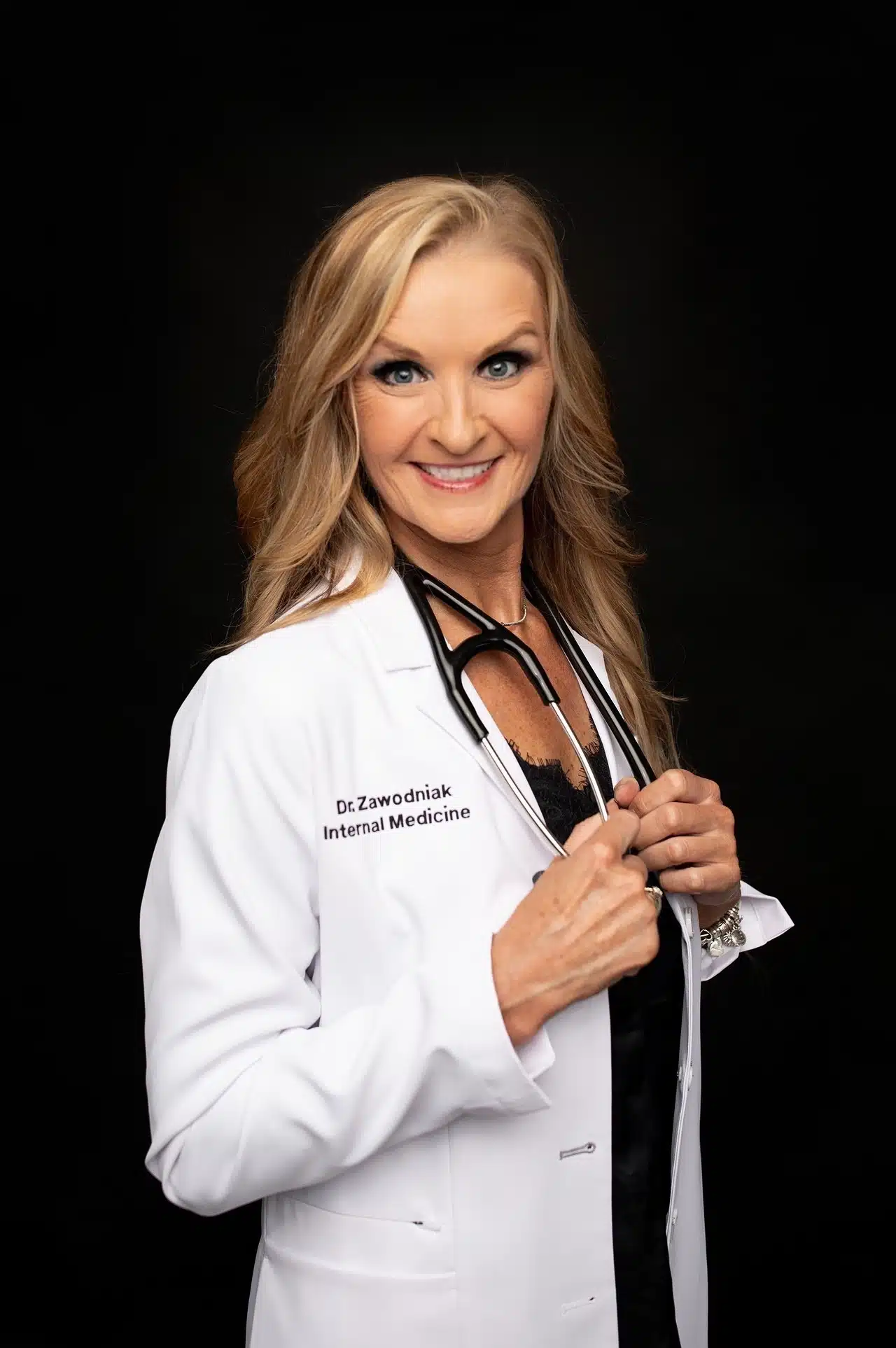
At AZ Health Solutions, Dr. Ashley Zawodniak specializes in bioidentical hormone replacement therapy (BHRT) for both men and women, creating personalized treatment plans based on comprehensive testing and your individual symptoms and health goals.
Creating a Personalized Health Plan and Setting Realistic Goals
Generic health advice rarely produces lasting results because it doesn’t account for your unique biology, lifestyle, challenges, and goals. A personalized health plan considers:
Your specific health history and risk factors based on family medical history, previous conditions, and current symptoms. This individualized approach identifies the preventive measures and interventions most relevant to you. Make a list of all health concerns you want to address in 2026, including both current issues and preventive priorities.
Your lifestyle and realistic capacity for change. Sustainable health improvements work with your life, not against it. Whether you’re a busy professional, active retiree, or managing family responsibilities, your health plan should fit your reality. Consider your physical activity levels, stress factors, sleep patterns, and nutrition habits when setting health goals.
Your wellness priorities and values. Some people prioritize longevity, others focus on quality of life and daily energy, while others want to maintain athletic performance or physical capabilities. Your health plan should align with what matters most to you and help you prioritize your health appropriately.
Measurable milestones and regular reassessment. Effective health planning includes specific, trackable health goals and scheduled check-ins to evaluate progress and adjust strategies as needed. Working with a healthcare provider who offers personalized care ensures your plan evolves with your changing needs.
Direct Primary Care: A Smart Financial Decision for the New Year
As you plan for 2026, it’s worth considering whether a different healthcare model might better serve your needs and budget. Direct Primary Care (DPC) represents a fundamental shift from traditional fee-for-service medicine to a membership-based approach that prioritizes access, time, and personalized attention.
Predictable Healthcare Costs with DPC Membership
One of the most attractive features of Direct Primary Care is financial predictability. For a flat monthly membership fee of $99, you receive unlimited access to your physician without the uncertainty of copays, surprise bills, or insurance claim denials for primary care services.
This transparent pricing model makes budgeting for healthcare straightforward. You know exactly what you’ll pay each month, eliminating the financial anxiety that comes with traditional healthcare where costs vary unpredictably based on insurance processing, coding decisions, and coverage interpretations.
For Brevard County residents managing chronic conditions requiring frequent monitoring, the unlimited visit structure of DPC can result in significant savings compared to traditional models where each appointment triggers a copay or counts against your deductible.
How DPC Complements Traditional Health Insurance
A common misconception is that Direct Primary Care replaces health insurance. In reality, DPC works alongside insurance coverage, with each serving a distinct purpose.
Your DPC membership covers primary care services—routine checkups, sick visits, chronic disease management, preventive care, minor procedures, and direct physician access via phone, text, and email. This comprehensive primary care coverage means you’re using your DPC membership for the majority of your healthcare needs.
Traditional health insurance then serves its intended purpose: protecting you from catastrophic medical expenses. You maintain health coverage for hospitalizations, specialist care, emergency services, surgeries, and expensive diagnostic procedures. Because you’re using insurance less frequently for routine primary care, many DPC members find they can select high-deductible health plans (HDHPs) with lower monthly premiums, often offsetting the cost of their DPC membership.
This combination provides both comprehensive primary care access and financial protection from major medical expenses—the best of both worlds. For those considering HDHPs, pairing them with HSAs provides additional tax advantages. Understanding HSA contribution limits and how HSAs work with your health plan can maximize these benefits.
Year-End vs. New Year Enrollment Considerations
Many people wonder whether to start a DPC membership in December 2025 or wait until January 2026. There are advantages to beginning before year-end:
Immediate access to year-end health planning. Enrolling in December gives you immediate physician access to help strategize about using remaining 2025 healthcare benefits and creating your 2026 wellness plan.
Establishing care before holiday closures. The period between Christmas and New Year’s can be challenging for accessing healthcare. DPC membership ensures you have direct physician access even during this typically difficult time.
Starting the new year with established care. Beginning your membership in December means you enter 2026 with a physician relationship already in place, comprehensive baseline health information gathered, and a personalized health plan ready to implement.
That said, January 2026 enrollment works perfectly well for those who prefer to align their healthcare changes with the calendar year. The key is making the decision that feels right for your situation and timeline.
At AZ Health Solutions, Dr. Zawodniak welcomes new members year-round and works with each patient to determine the optimal timing for beginning their DPC membership based on individual circumstances.
Hormone Optimization: Timing Your Treatment for Success
For Brevard County residents experiencing symptoms of hormone imbalance, the end of year presents strategic timing advantages for beginning optimization therapy.
Why Winter is Ideal for Starting Hormone Therapy
Florida’s climate creates unique considerations for hormone therapy timing. Beginning treatment during our milder winter months allows your body to adjust to therapy without the additional physiological stress of summer heat and humidity.
Hormone optimization typically involves an adjustment period as your healthcare provider fine-tunes your treatment protocol. Starting this process in December 2025 or January 2026 means you’ll have several months of optimization completed before the intense heat of Brevard County summer arrives. By the time temperatures soar, you’ll be experiencing the energy, vitality, and improved temperature regulation that balanced hormones provide.
Winter’s slower social calendar for many people also makes it easier to attend initial appointments, complete necessary lab work, and focus on the lifestyle factors that support hormone optimization—quality sleep, stress management, consistent nutrition, and regular physical activity.
Planning for Treatment Timelines and Medical Appointments
Understanding realistic timelines helps set appropriate expectations for hormone optimization therapy and helps you schedule your annual appointments effectively.
Initial consultation and comprehensive testing typically occur during your first visit. At AZ Health Solutions, Dr. Zawodniak conducts thorough hormone panels that measure not just testosterone or estrogen, but the full spectrum of hormones affecting your energy, mood, metabolism, and overall wellness. This becomes part of your complete health history and baseline health information.
Treatment plan development happens once test results are available, usually within one to two weeks. Your personalized protocol considers your specific hormone levels, symptoms, health history, and treatment goals.
Initial treatment and early adjustments occur over the first 8-12 weeks as your body responds to therapy. Most patients begin noticing improvements in energy, sleep quality, and mood within the first month, with progressive benefits continuing as hormone levels optimize.
Ongoing monitoring and refinement ensures your hormone levels remain in optimal ranges. Regular follow-up testing and adjustments maintain the benefits you’ve achieved and adapt to your changing needs over time.
Starting this process in December 2025 means you’ll be well into the optimization phase by March or April 2026, experiencing significant improvements in how you feel and function as spring arrives.
What to Expect in the First Months
Hormone optimization is a journey, not a quick fix. Understanding what to expect helps you stay committed through the adjustment period.
Early improvements often include better sleep quality, increased energy, improved mood stability, and enhanced mental clarity. Many patients report these changes within the first 2-4 weeks of treatment.
Progressive benefits continue developing over the first three to six months. Physical changes like improved body composition, increased muscle tone, better skin quality, and enhanced libido typically emerge more gradually as hormone levels stabilize.
Individual variation is significant. Some patients experience rapid, dramatic improvements, while others notice more subtle, progressive changes. Your unique biology, starting hormone levels, and overall health status all influence your response timeline.
Ongoing communication with your healthcare provider ensures adjustments happen when needed. At AZ Health Solutions, Direct Primary Care members have unlimited access to Dr. Zawodniak via phone, text, and email, making it easy to report symptoms, ask questions, and receive guidance throughout the optimization process.
Whether you’re interested in women’s hormone health or men’s hormone optimization, starting the conversation now positions you for a healthier, more vibrant 2026.
Comprehensive Preventive Care Checklist for Brevard County Residents
Effective preventive care adapts to your age, gender, health history, and local environmental factors. Use this health checklist as a starting point for discussions with your healthcare provider about your personalized preventive care plan.
Age-Specific Preventive Screenings and Health Screenings
Adults 18-39:
- Annual blood pressure check
- Cholesterol screening (beginning at age 20, frequency based on risk factors)
- Diabetes screening if overweight or with risk factors
- Depression screening
- Sexually transmitted infection screening based on risk factors
- Skin cancer screening, especially important in sunny Florida
- Dental and vision care
- Vaccination updates (tetanus, HPV, others based on individual factors)
- Annual wellness visit with primary care physician
- Review of health history and family medical background
Adults 40-49:
- All screenings from previous age group
- Baseline mammogram for women (age 40), then annually or as recommended
- Comprehensive metabolic panel
- Thyroid function testing, particularly for women
- Cardiovascular risk assessment
- Baseline hormone testing if experiencing symptoms of imbalance
- Annual physical examination
- Review medication list with healthcare provider
Adults 50-64:
- All screenings from previous age groups
- Colorectal cancer screening beginning at age 45
- Annual mammogram for women
- Prostate health discussion for men
- Bone density screening for women with risk factors
- Comprehensive hormone evaluation
- Expanded cardiovascular monitoring
- Lung cancer screening for current or former smokers with significant history
- Annual checkup with comprehensive health assessment
Adults 65+:
- All appropriate screenings from previous age groups
- Bone density screening for all women, men with risk factors
- Fall risk assessment
- Hearing and vision screening
- Cognitive function assessment
- Comprehensive medication review and updated medication list
- Enhanced cardiovascular monitoring
- Shingles vaccination if not previously received
- Annual wellness visit with Medicare coverage
Florida-Specific Health Considerations and Action Items
Living in Brevard County creates unique health factors that should inform your preventive care strategy and health checklist:
Sun exposure and skin health: Our beautiful beaches and outdoor lifestyle mean increased sun exposure. Annual skin cancer screenings become particularly important, along with consistent sun protection practices. Schedule time to review your skin health with your healthcare provider.
Heat and humidity impacts: Florida’s climate affects cardiovascular health, respiratory function, and hydration needs. Those with heart conditions, asthma, or COPD should work closely with their primary care physician to manage these conditions in our climate.
Active lifestyle support: Brevard County residents enjoy water sports, beach activities, cycling, and outdoor recreation. Preventive care should include joint health monitoring, injury prevention strategies, and physical activity assessments to maintain these activities long-term.
Seasonal population changes: Our area’s seasonal population fluctuations can affect healthcare access during peak winter months. Planning preventive care appointments strategically around these patterns ensures timely access. Make an appointment early to avoid scheduling challenges.
Hurricane preparedness: Annual medication reviews should include ensuring adequate supplies for hurricane season, along with discussions about managing chronic conditions during potential evacuation or power outage situations. Make a list of essential medications and supplies needed.
Creating Your Personal Preventive Care Calendar for 2026
Rather than cramming all preventive care into one annual appointment, spread health screenings throughout the year for better health monitoring and more manageable scheduling. This checklist to help you plan ensures comprehensive coverage:
Quarter 1 (January-March 2026): Annual physical examination, comprehensive blood work, and establishment of baseline health metrics for the year. Schedule your annual wellness visit early in the plan year. Time to schedule these appointments is now.
Quarter 2 (April-June 2026): Age-appropriate cancer screenings, specialist appointments for chronic condition management, and mid-year health assessment. Review your current health status and adjust health goals as needed.
Quarter 3 (July-September 2026): Focused appointments for any potential health issues identified in earlier screenings, medication reviews, and preparation for flu season. Update your medication list with your healthcare provider.
Quarter 4 (October-December 2026): Vaccination updates, year-end health planning for 2027, and scheduling of next year’s preventive care appointments. This is a great time to review your health plan compliance and ensure you’ve completed all recommended screenings.
This distributed approach makes preventive care more manageable while ensuring consistent health monitoring throughout the year. It helps you stay on top of your wellness needs without the stress of trying to complete everything as the year comes to an end.
Making the Transition to Personalized Healthcare
If you’re considering a change in your healthcare approach for 2026, understanding what to expect makes the transition smooth and stress-free.
Questions to Ask When Evaluating Healthcare Options and Health Coverage
Not all healthcare models or practices are created equal. When evaluating where to receive your care, consider asking:
About access and availability:
- How quickly can I make an appointment when I’m sick or have concerns?
- How long are typical appointments?
- Can I reach my healthcare provider between appointments if questions arise?
- What happens if I need care after hours or on weekends?
About the physician relationship and personalized care:
- Will I see the same physician consistently, or different providers at each visit?
- Does the healthcare provider have time to really get to know me and my health history?
- How does the practice approach preventive care and wellness planning?
- Do they help me prioritize my health goals?
About costs and transparency:
- What will I actually pay for medical services?
- Are there surprise bills or hidden fees?
- How does the practice work with my health insurance?
- What services are included in membership or visit fees?
- How does this compare to my current health plan?
About treatment philosophy:
- Does the practice take a whole-person approach to health?
- How do they incorporate lifestyle factors like physical activity and nutrition into treatment plans?
- Are they open to alternative or integrative therapies when appropriate?
- Do they focus on treating symptoms or addressing root causes of potential health issues?
How to Transition from Traditional to DPC Model
Switching from traditional insurance-based healthcare to Direct Primary Care is simpler than many people expect:
Step 1: Research and initial consultation. Learn about the DPC model and schedule a consultation to meet the physician, tour the practice, and ask questions about how the model works. This is your opportunity to review your current healthcare needs and determine if DPC is right for you.
Step 2: Enroll in membership. Once you decide DPC is right for you, enrollment typically involves completing a simple membership agreement and providing payment information for your monthly membership fee.
Step 3: Transfer medical records. Your new DPC practice will request records from your previous healthcare provider to ensure continuity of care. This process is routine and handled by the practice staff. Your complete health history will be reviewed.
Step 4: Schedule your annual physical or comprehensive intake appointment. Your first DPC visit is typically longer than traditional appointments, allowing time for thorough health history discussion, physical examination, and wellness planning. This becomes your baseline annual exam for 2026.
Step 5: Adjust your health insurance coverage if desired. Many DPC members choose to switch to high-deductible health plans (HDHPs) with lower premiums since they’re using insurance less frequently for primary care. This is optional and can be done during your next open enrollment period. Consider pairing an HDHP with an HSA for additional tax benefits.
Step 6: Begin experiencing the benefits of personalized care. Start using your unlimited access to your primary care physician, longer appointment times, and direct communication channels for questions and concerns.
What to Expect During Your First Visit at AZ Health Solutions
Your initial appointment at AZ Health Solutions differs significantly from typical rushed medical visits. Dr. Zawodniak dedicates extended time to truly understand your health history, current concerns, and wellness goals.
Comprehensive health history discussion covers not just your medical diagnoses and medications, but your lifestyle, stress levels, sleep quality, nutrition habits, physical activity patterns, and overall quality of life. This holistic perspective identifies factors affecting your health that might be overlooked in traditional brief appointments. Bring your current medication list to ensure accurate documentation.
Thorough physical examination establishes baseline health information and identifies any concerns requiring attention or monitoring. This becomes part of your annual checkup documentation.
Collaborative goal setting ensures your health plan aligns with your personal priorities and values. Whether you’re focused on managing chronic conditions, optimizing hormone health, improving energy and vitality, or preventing future health problems, your treatment plan reflects your individual health goals.
Clear next steps and ongoing access mean you leave your first appointment with a concrete action plan and the knowledge that you can reach Dr. Zawodniak directly if questions or concerns arise. You’ll know exactly when to schedule follow-up appointments and what preventive care priorities to address.
This patient-centered approach creates a healthcare experience that feels collaborative, unhurried, and focused entirely on your individual needs—true personalized care that helps you prioritize your health effectively.
Your Year-End Health Planning Action Items
The end of year offers unique opportunities for strategic health planning that sets you up for wellness success in 2026. Here are your key takeaways and immediate action items:
Review your current healthcare benefits and health coverage to understand what’s available before year-end. Check your deductible status, remaining FSA/HSA balances, and unused preventive care visits. Time to review these details is now, before 2025 comes to an end.
Schedule important preventive care screenings before December gets too busy. Age-appropriate cancer screenings, cardiovascular assessments, and comprehensive blood work provide valuable baseline health information. Make an appointment soon to ensure availability.
Evaluate whether your current healthcare model serves you well. If you’re frustrated with limited access, rushed appointments, or unpredictable costs, explore alternative approaches like Direct Primary Care that offer personalized care.
Consider hormone health assessment if you’re experiencing symptoms like fatigue, weight changes, mood fluctuations, or decreased vitality. Winter timing offers advantages for beginning optimization therapy as we move from 2025 to 2026.
Create a 2026 preventive care calendar that spreads health screenings and appointments throughout the year rather than cramming everything into December. Use this health checklist to help you stay organized.
Make a list of your health goals for the coming year. Whether improving physical activity levels, addressing potential health issues, or establishing better preventive care habits, clear goals guide your wellness journey.
Maximize flexible spending account balances before they expire. Review your FSA and HSA accounts to ensure you’re using available funds for eligible medical expenses.
Update your medication list and schedule time to review it with your healthcare provider. Ensure you have adequate supplies and that all prescriptions remain appropriate for your current health needs.
Make decisions aligned with your values and health goals. Your healthcare should support the life you want to live, not create additional stress and frustration. Prioritize your health by choosing a healthcare model that works for you.
The most important step is taking action. Whether that means scheduling overdue screenings, exploring new healthcare models, or finally addressing symptoms you’ve been ignoring, small decisions made now create momentum for lasting health improvements in the upcoming year.
Take Charge of Your Health Journey in 2026
Year-end health planning doesn’t have to be complicated or stressful. With the right guidance and a healthcare partner who prioritizes your individual needs, you can maximize your current benefits while creating a clear roadmap for optimal wellness in the year ahead.
At AZ Health Solutions in Merritt Island, Dr. Ashley Zawodniak and our team are here to help Brevard County residents navigate year-end health decisions and discover what personalized, accessible healthcare feels like. Whether you’re curious about Direct Primary Care, interested in hormone optimization, or simply looking for a primary care physician who has time to truly listen and address your concerns, we’d love to talk with you.
Ready to make 2026 your healthiest year yet? Give us a call at (321) 492-0390. We’re here to answer your questions, discuss your health goals, and help you create a health plan that actually works for your life.
Your health is too important to leave to chance. Let’s start planning your path to optimal wellness together. Schedule your annual wellness visit today and take the first step toward a healthier, more vibrant upcoming year.


0 Comments